
Marine Ecology & Mariculture 4-Teachers
-
Marine Ecology & Mariculture 4-Teachers (Seward, AK)
...connecting the classroom with the natural resources of Alaska
Marine Ecology & Mariculture
4-Teachers
...connecting the classroom with the natural resources of Alaska.
- Based in Seward, Alaska
- Intended for teachers of science who are not science teachers by training
- Explore the interconnected relationships of the marine ecosystems as well as an introduction to the Alaskan mariculture industry
- Develop place-based, culturally-responsive knowledge, awareness, and practical skills
Place based activities may include:
- Exploration of the Alaska Sea Life Center
- Kayaking in Resurrection Bay
- Hike in a temperate rainforest
- Marine ecology of Resurrection Bay
Dates, Location, and Contact
Dates: May 30-June 5, 2026 (*2 required Zoom sessions prior to the onsite course. Times/Dates TBD. Approximately 2 hours each.)
Grant Funding: Available to in-state and out-of-state teachers and covers tuition, housing, and partial travel reimbursement.
Credits: 3 *Grant funding requires students to enroll in the summer course. Students must receive a C or better in both courses or they will be responsible for tuition expenses.
Seats Available: 10
Location: Seward
Contact: Katie Bobowski, 907-822-3673 or uaa_pwscforteachers@alaska.edu
Instructor: Melissa KjelvikParticipants are Saying...
“An incredible learning experience. The field activities, and also learning from my colleagues, will allow me to create many placed-based and traditional knowledge lessons for my students. The rural schools have little-to-nothing in the way of science materials, and these courses opened my eyes to a broad array of possibilities. I’ve gained many takeaways for use in my classroom. I’m excited.”
Solomon Afcan, Nunam Iqua School
- What to expect
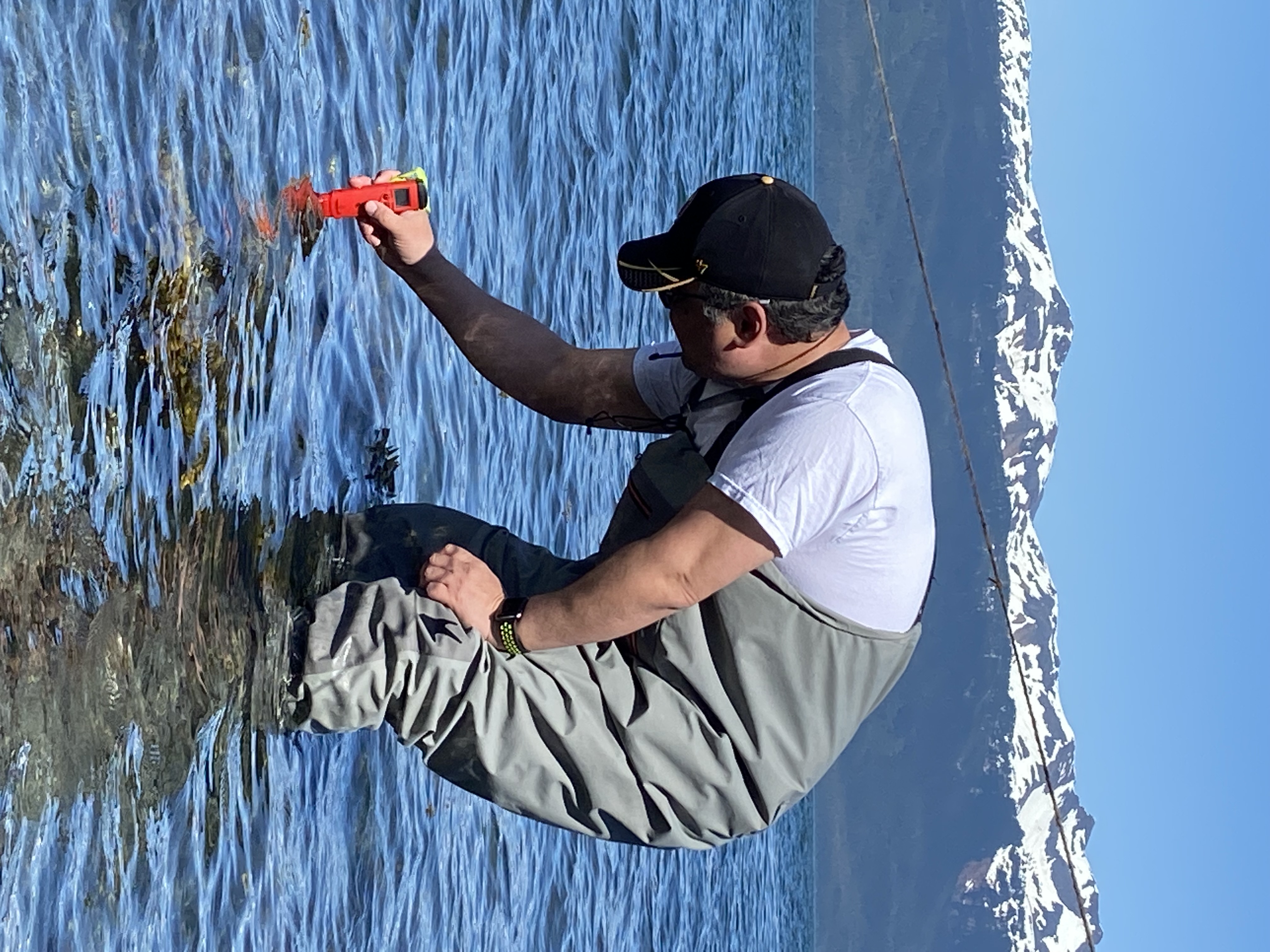
Marine Ecology & Mariculture 4-Teachers is primarily a field based course and we will be spending most days outside exploring different learning possibilities. Students should be able to walk at least 5 miles. Portions of the course may be carried out over uneven terrain, often without a trail, and may include river crossings or other hazards depending on route and travel logistics. The course requires being able to sit in a kayak for several hours (3+ hours) and participate in boat-based activities. The course may require good physical condition and ability to perform in cold and/or inclement weather. Students must be prepared to spend long days outside, with a number of environmental concerns to mitigate, including: bears, mosquitos, wolves, rivers, weather, temperature, etc.
- What will you get
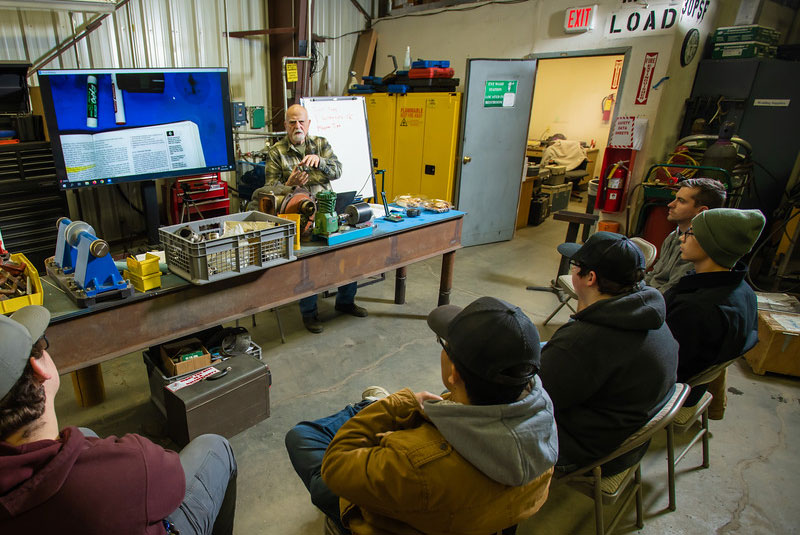
- A week of content-rich days immersed in classroom and field exercises to deepen teaching pedagogy.
- Teachers will walk away with lesson plans, resources, tools how to fit the curriculum into a classroom or virtual learning environment, and examples of place-based lesson planning.
- All students will develop a place-based lesson plan or unit to use in their own classroom. All of the lesson plans developed will be put into an online database that will be made available to all students for adaptation and use in their classroom.
- Why should you come
- Gives teachers the ability to reconnect to and re-energize their passion for teaching.
- Mixes classroom activities with place-based/outdoor activities, which asks the teachers to not only consider their curriculum, but to also their classroom environment
- Collaborative workshop activities allow STEM teachers to meet and network with other educators who are living through the same experience
- Important Grant Information
- Grant funding will only pay for grades C or higher in the program. Failing grades (F), D's, withdrawals (W), and incompletes (I) will not be covered by the grant and students will be responsible for the cost of tuition.
Meet The Instructor
Dr. Melissa Kjelvik
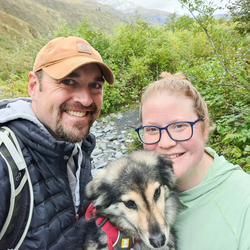 Melissa came to Prince William Sound College from Michigan State University, where
she completed graduate work focused on aquatic ecology, studying how behavioral differences
influence growth and survival in juvenile bluegill sunfish. She earned her bachelor’s
degree in Natural Resources with a concentration in Fish and Wildlife Management from
Northland College in Wisconsin, where her education emphasized hands-on, field-based
learning. Her academic and professional interests center on experiential education,
data literacy, and connecting students with real-world scientific questions. While
at Michigan State University, she co-developed Data Nuggets, an educational program designed to help students engage directly with scientific
data, an approach that continues to shape her teaching philosophy. After moving to
Valdez in 2021, Melissa joined PWSC as the Marine Natural Resources Technician (MNRT)
program coordinator. In this role, she teaches and supports courses that immerse students
in field-based learning, including a marine field course in Seward taught in collaboration
with mariculture specialists at the Alutiiq Pride Marine Institute. She also mentors
independent student research projects, including applied monitoring work at the college’s
oyster farm. Melissa believes that students learn best through active engagement with
their environment. Her teaching emphasizes hands-on experience, critical thinking,
and using data as a tool to understand local ecosystems. She is excited to continue
developing programs at PWSC that connect students to Alaska’s marine environments
and provide meaningful, place-based educational opportunities.
Melissa came to Prince William Sound College from Michigan State University, where
she completed graduate work focused on aquatic ecology, studying how behavioral differences
influence growth and survival in juvenile bluegill sunfish. She earned her bachelor’s
degree in Natural Resources with a concentration in Fish and Wildlife Management from
Northland College in Wisconsin, where her education emphasized hands-on, field-based
learning. Her academic and professional interests center on experiential education,
data literacy, and connecting students with real-world scientific questions. While
at Michigan State University, she co-developed Data Nuggets, an educational program designed to help students engage directly with scientific
data, an approach that continues to shape her teaching philosophy. After moving to
Valdez in 2021, Melissa joined PWSC as the Marine Natural Resources Technician (MNRT)
program coordinator. In this role, she teaches and supports courses that immerse students
in field-based learning, including a marine field course in Seward taught in collaboration
with mariculture specialists at the Alutiiq Pride Marine Institute. She also mentors
independent student research projects, including applied monitoring work at the college’s
oyster farm. Melissa believes that students learn best through active engagement with
their environment. Her teaching emphasizes hands-on experience, critical thinking,
and using data as a tool to understand local ecosystems. She is excited to continue
developing programs at PWSC that connect students to Alaska’s marine environments
and provide meaningful, place-based educational opportunities.
Program Coordinator: Teshina Dorsey
Partners
Alaska Mariculture Cluster Build Back Better Grant